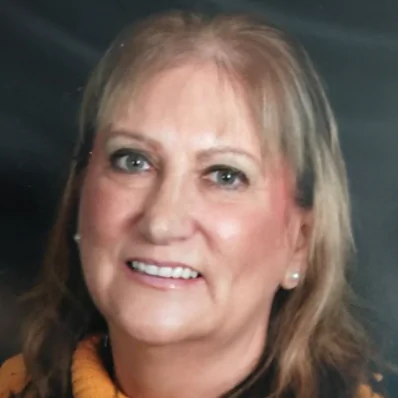
Mary Kathryn Bogdan
MACM, BSM, RN, ALNC
Nottingham, Maryland
Specialties: Pharmaceutical, Food Contamination, Food Safety, Assault, Gangs, Sexual Abuse, Lost Earnings, Workplace Safety, Autopsy, Pathology, Psychiatry, Addiction, , Behavioral Analysis, Charge Nursing, Devices and Equipment, Diabetes, Disability, Disability Management, Elder Abuse, Ethics, Fall Protection...
Vikram Rao
B Pharm, MS, RPh, CPh
Bradenton , FL
Specialties: Pharmaceutical, Advertising, Business Administration, General Business, Management, Marketing, Public Relations, Risk Management, Aerosols, Biochemistry, Hazardous Materials, Hazardous Waste, Computer Networking, General Computers, Information & Internet Technology (IT), Social Media...

LaTresia Boone
RN, ALNC
Stockbridge, GA
Specialties: Pharmaceutical, Demonstrative Evidence, Legal Ethics, Legal Malpractice, Legal Research, Medical Malpractice, Workers Compensation, Wrongful Death, Acupuncture, Acute Care, Addiction, , Allergy, Alzheimer's, Anatomy, Anesthesiology, Assisted Living, Bariatric Surgery, Billing-Medical Billing...
About: Hello. My name is LaTresia Boone and I've been a nurse since 1999. I am an advanced legal nurse consultant and have a passion for problem solving, researching and analyzing information. I have extensive experience as a peri anesthesia nurse. I've worked in areas to include, pre-admit testing, preop,...
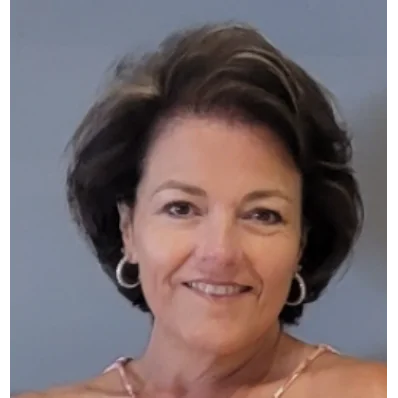
Krista Zahner
BSN, RN, ALNC
Blue Springs , Missouri
Specialties: Pharmaceutical, Healthcare, Medical Malpractice, Workers Compensation, Wrongful Death, Acute Care, Anatomy, Assisted Living, Burn Care, Cardiac, Cardiovascular, Critical Care, Critical Care Unit (CCU), Devices and Equipment, Diabetes, Dialysis, Elder Care, Electronic Medical Records (EMR)...
About: I worked in critical care for 27 years; primarily with Cardiothoracic Surgery post-op patients and also with trauma and transplants. I was the unit educator in the CTS ICU and the CTS Pre/Post unit for 10 years. I also worked in the CTS clinic as the Pre-op Patient Teaching Liaison. I have a broad...
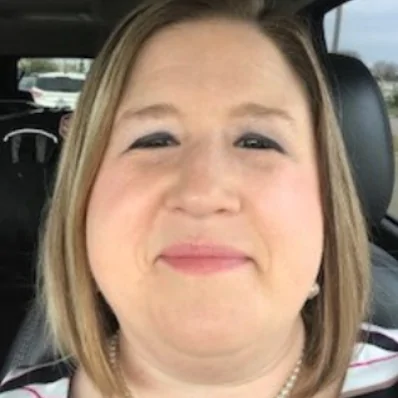
Jodi Harms
RN, BSN, ALNC
Webster City, Iowa
Specialties: Pharmaceutical, Disability Accessibility, Product Liability, Product Safety, Benefits and Retirement, Disability Evaluation, Discrimination, Employability, Lost Earnings, Workplace Safety, Workplace Violence, Financial Planning, Altered Medical Records, Chemical Pathology, Document Analysis...
About: Jodi Harms is the founder and owner of Harms, Legal Nurse Consulting, LLC. Jodi is a Registered Nurse and is certified as an Advanced Legal Nurse Consultant. Her education includes an Associate Degree in Nursing and a Bachelor of Science Degree in Nursing from the University of Iowa. Jodi is...

Michael Savage
MSN, RN, ALNC
,
Specialties: Pharmaceutical, Endoscopy, Home Health, Hospice, Infection Control, Legal Nurse Consultant, Medical Devices, Medical Record Review, Operating Room (OR), Orthopedics, Peri-Operative, Perioperative Nursing, Post Operation (Post Op), Pre Operation (Pre Op), Registered Nurse (RN), Risk Management...
I am an Advanced Legal Nurse Consultant with 4 years experience in surgery and 3 years of experience in home health, hospice , and long term care. I also have a background and prior work experience in engineering. Contact me for collaboration on any medical aspect of your cases.
Joanna Villar
Consultant Pharmacist
MIAMI, Florida
Specialties: Pharmaceutical, Pharmacy
About: Dr. Joanna Villar R.Ph., C.Ph., is an active pharmacist in the state of Florida, licensed as a Registered Pharmacist and Consulting Pharmacist. She graduated top of her class (Rho Chi) at Nova Southeastern University in 2014. She has worked in the retail setting for 11 years, as well as in...
Veronica Tomor
Clinical Pharmacist, PharmD Medical Science Liaison
,
Specialties: Pharmaceutical, Alzheimer's, Elder Care, Pharmacy